Tips, guides & plain-English advice.
Practical articles on web design, SEO, and running a small business online.

Why Every Site I Build Runs in a Container
What Docker containers are, in plain English, and how they make your site easier to move, recover and hand over.
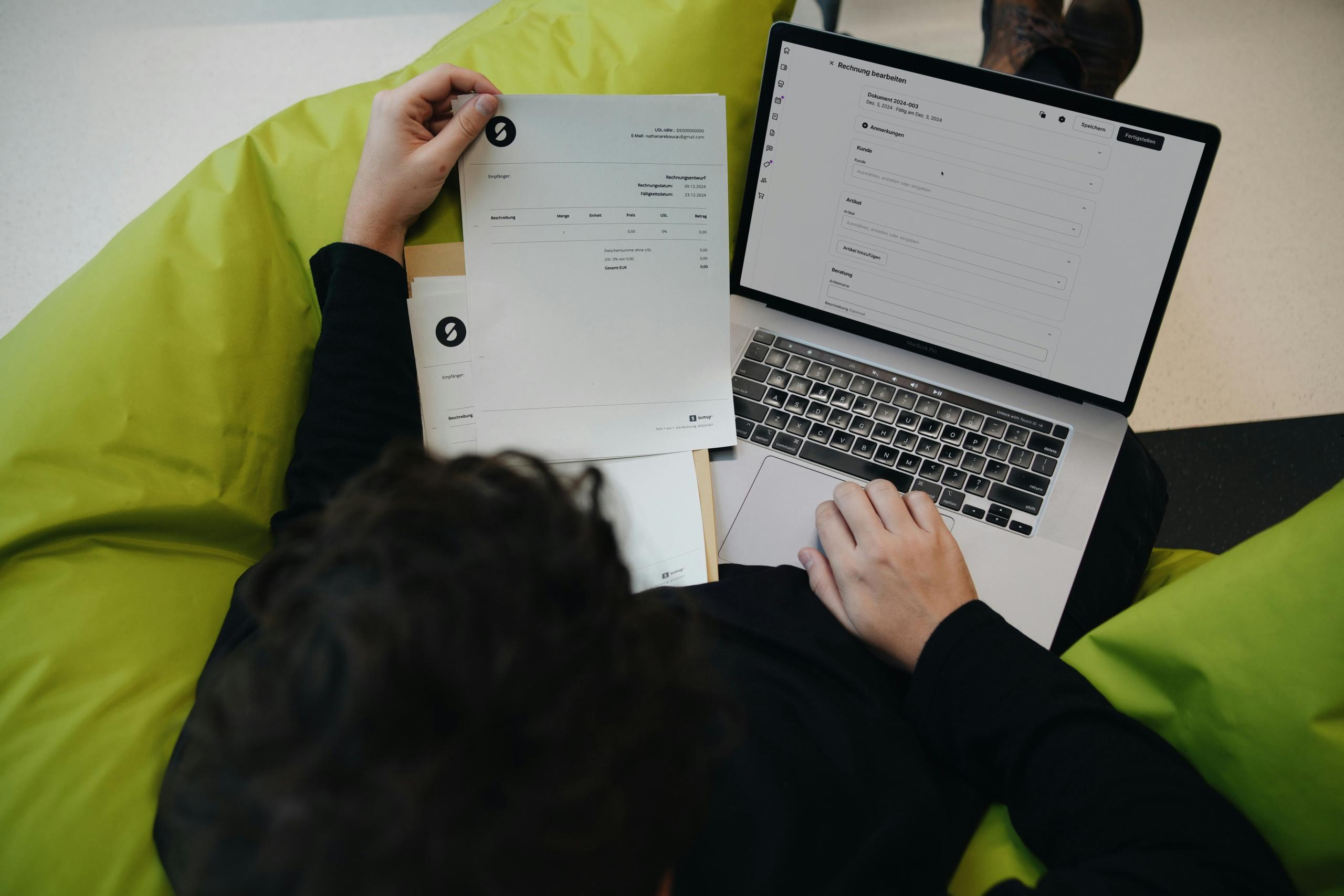
The Self-Hosted Invoicing Tool I Run for My Business
Why I run Invoice Ninja on my own server instead of paying for an invoicing subscription, and who else it suits.

Why I Host Every Client Site on PHAS
Why cheap shared hosting is a false economy for a business website, and what PHAS, my own hosting company, does differently.
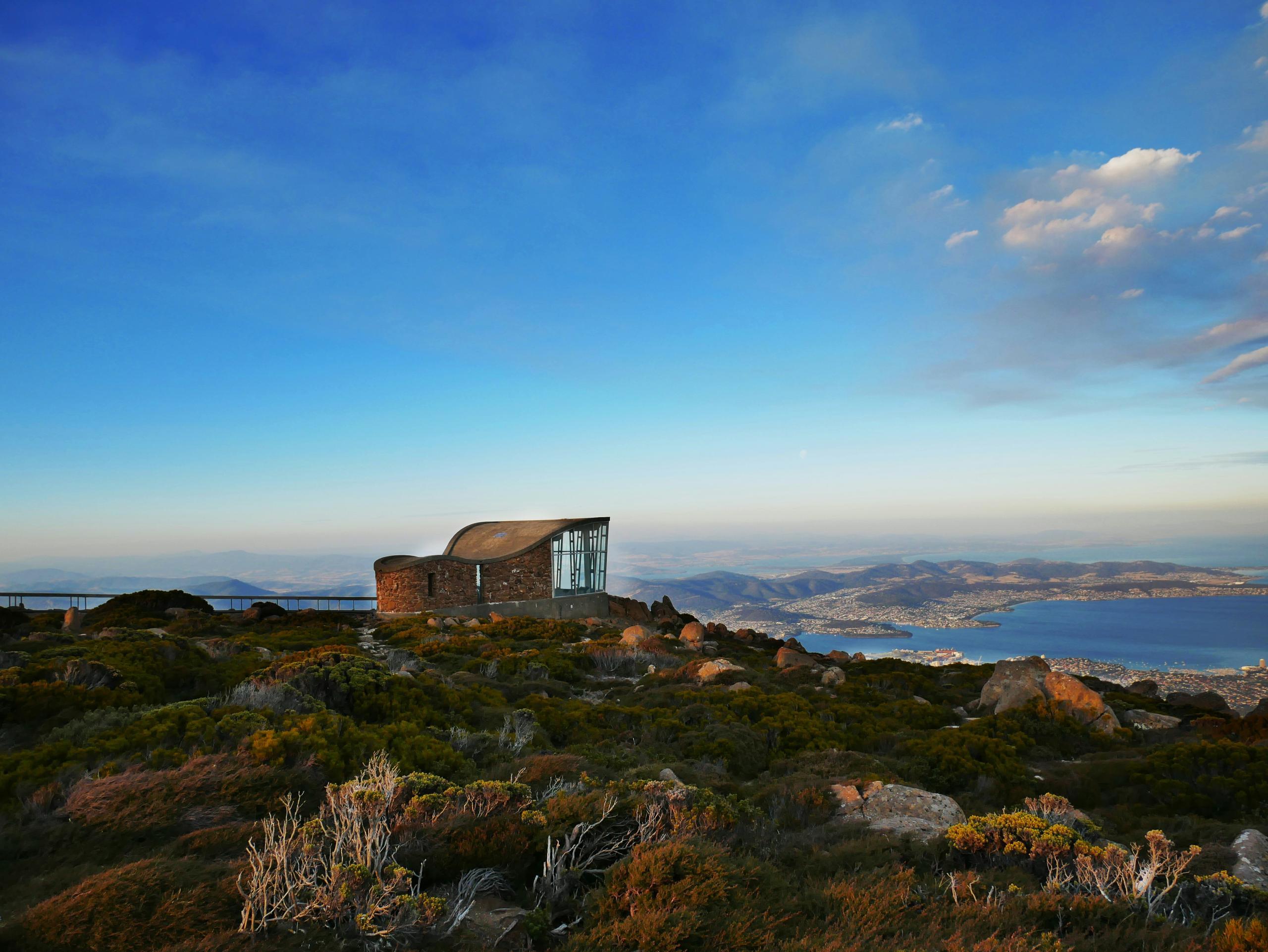
How to Choose a Web Designer in Tasmania
What to check before hiring a web designer in Tasmania: their real work, who does the build, pricing, local knowledge, support and red flags.

Does My Small Business Actually Need a Website in 2026?
Social media and Google Business Profile are free, so why pay for a website? Four reasons it's still worth it, and when you can skip it.

What Is SEO, and Does It Actually Work for Small Businesses?
A plain-English explanation of SEO: how Google ranks local businesses, how long results take, and whether it's worth it for a small Tasmanian business.

What I'm Working On: A Hosting Platform Built for Australia
Three updates: claim your .au domain, how I use AI tools when writing, and the managed Australian hosting platform I've been building for the past six months.

Should Your Business Have a .au Domain?
Direct .au domains opened in March 2022. If you own a .com.au, claim the matching .au before someone else does. Here's why, and how.

The Cheapest Security Upgrade Your Business Can Make
Most small business breaches start with a reused password. Why a password manager fixes that, which ones to use, and which to avoid.

Australian-Built Invoicing for Sole Traders
Rounded is an Australian invoicing tool for sole traders: quotes, invoices, expenses and BAS, without the cost and complexity of Xero or MYOB.
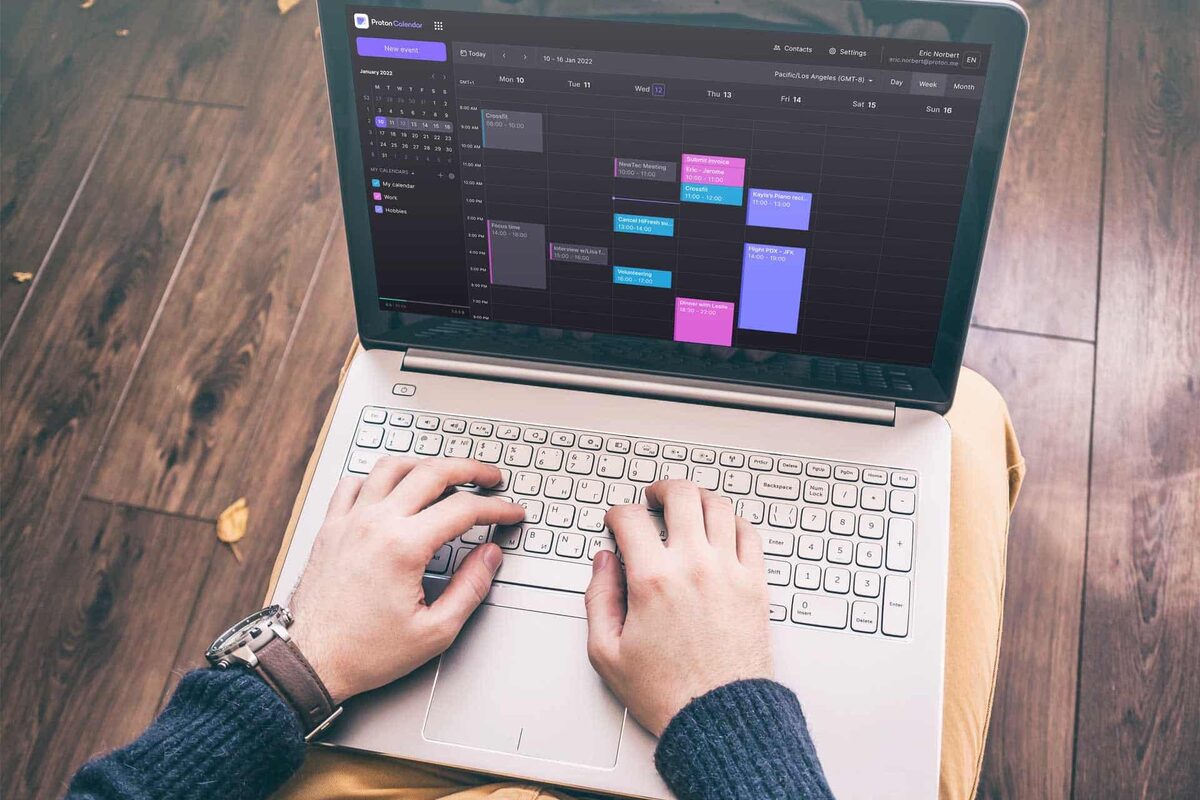
Business Email That Isn't Google or Microsoft
Google Workspace and Microsoft 365 aren't the only options for business email. When Proton is the better fit, and where it falls short.

Two Free Google Tools That Actually Matter for Small Businesses
Google Search Console and Google Business Profile: what each one shows you, how to set them up, and what to do with the data.

The Other Search Engines (And Why They're Still Worth Fifteen Minutes)
Bing Webmaster Tools and Bing Places cover most non-Google search, including DuckDuckGo and Yahoo. Both are free and take fifteen minutes to set up.
Why Your Website Looks Wrong When Someone Shares It on Facebook
Link previews on Facebook, LinkedIn and chat apps come from a few lines of hidden code called meta tags. How to check yours, and what to fix.
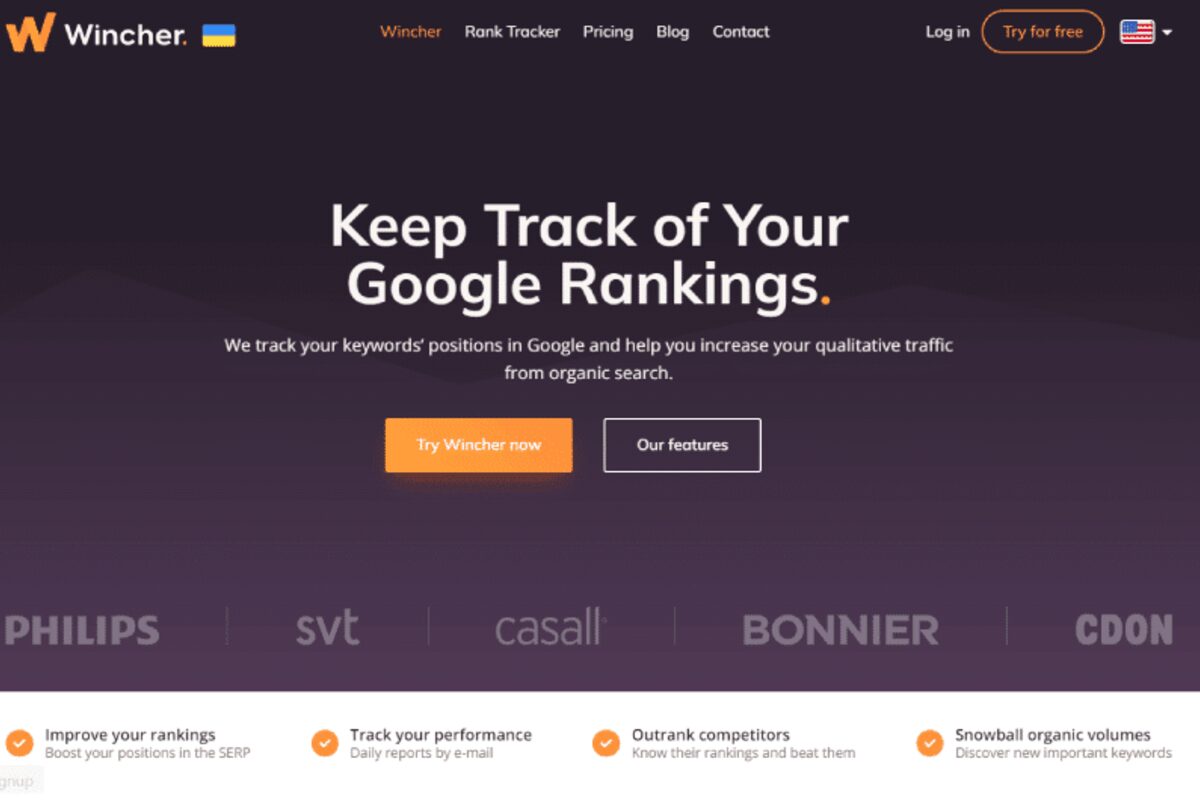
Should You Bother Tracking Your Search Rankings?
Whether tracking your Google rankings is worth it, what Search Console shows you for free, and when a paid rank tracker earns its keep.
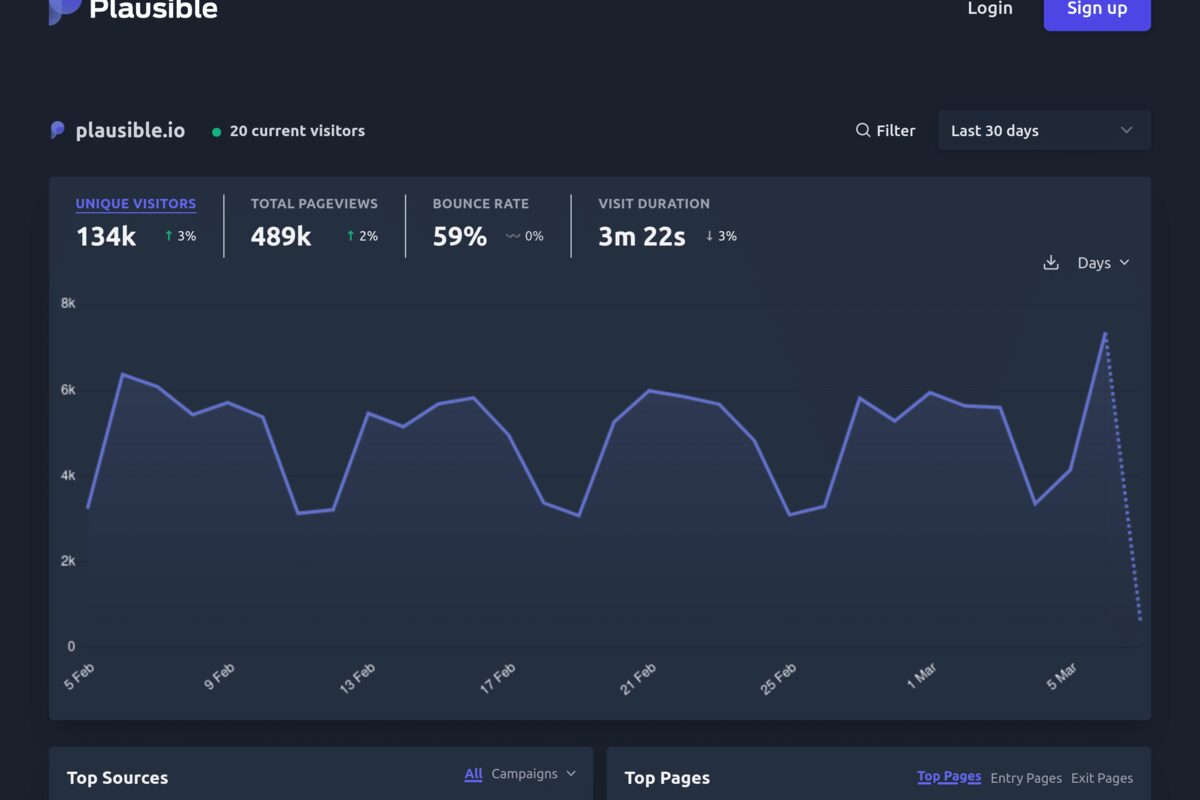
The Analytics Tool Most Small Businesses Actually Need
Google Analytics is overkill for most small business websites. Plausible and similar tools show the numbers you need on one page, without a cookie banner.
When Free Website Hosting Actually Makes Sense
Free static hosting from GitHub Pages, Netlify and others suits some projects. When it fits, and why it rarely suits a business website.
What Cloudflare Actually Does for Your Website
What Cloudflare does for speed, security and reliability, how it fits with your hosting, and when a small site can skip it.

Why Reproducible Setups Make Websites Less Risky
When a developer's computer doesn't match the live server, bugs follow. How a scripted development environment prevents that and makes handover cheaper.
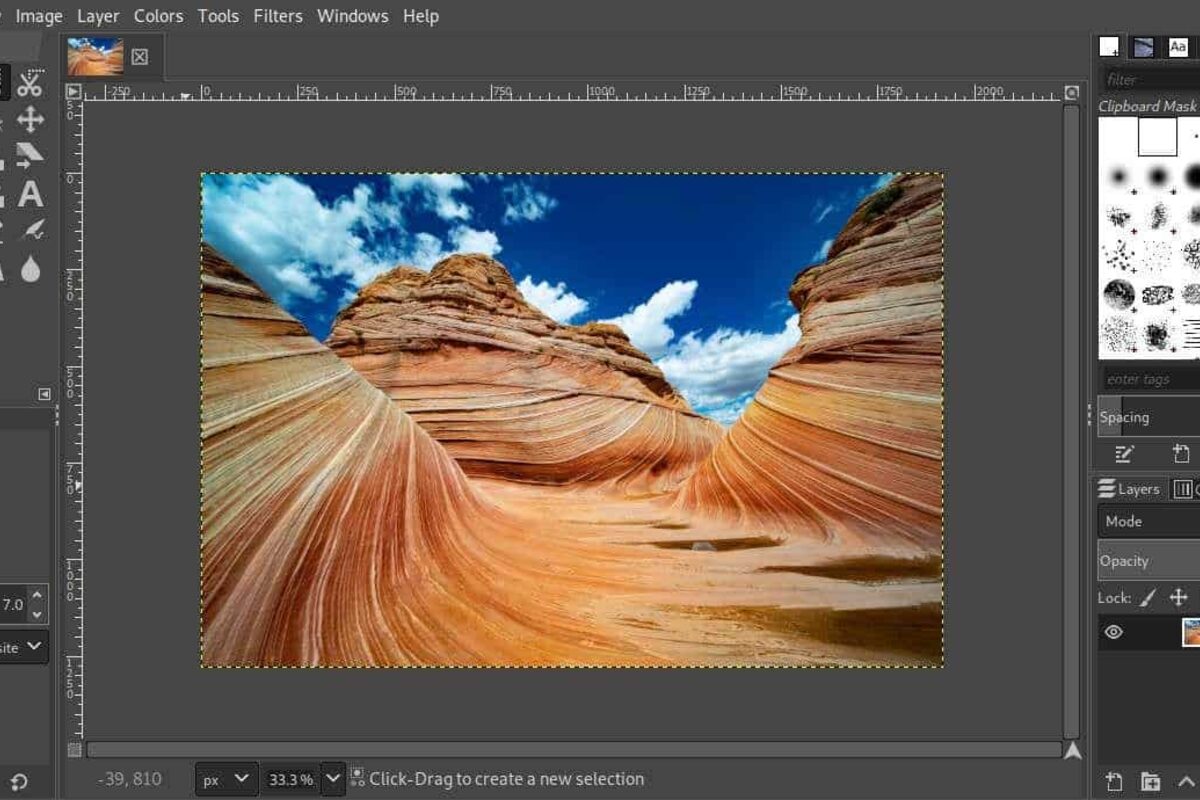
Image Editing for Website Owners (Without Buying Photoshop)
Free and low-cost tools for the image jobs a small business website needs: resizing, cropping, compressing and removing backgrounds.
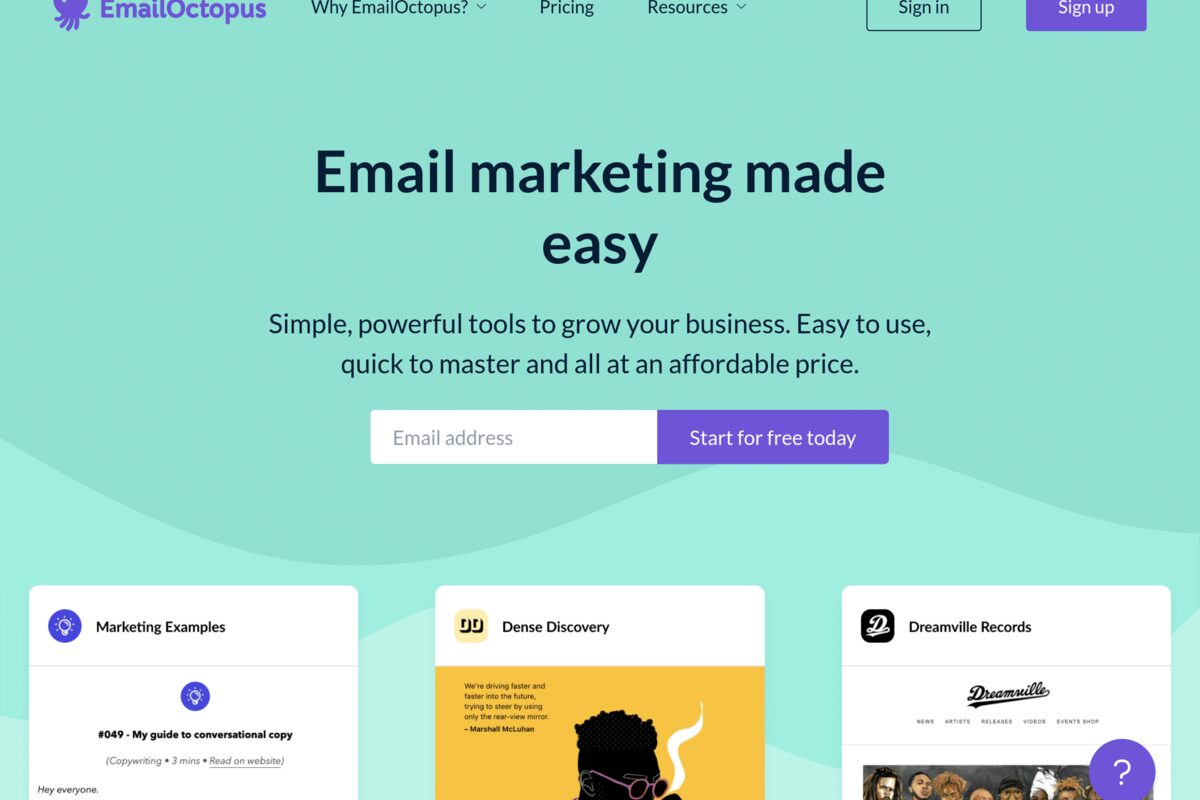
Should Your Small Business Be Doing Email Marketing?
When email marketing is worth the effort for a small business, what a platform does for you, and which platforms to look at.
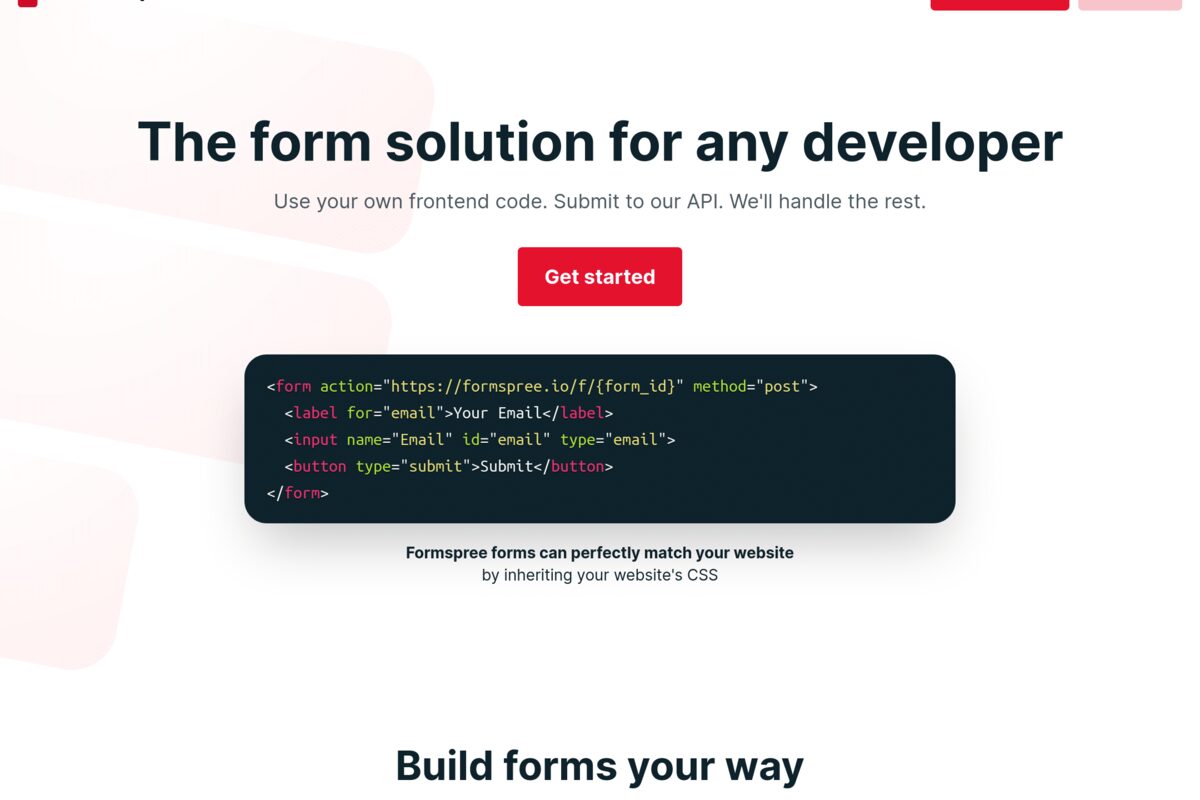
What Actually Happens When Someone Submits Your Contact Form
The three jobs a contact form has to do, where each one fails, and how to make sure enquiries actually reach you.
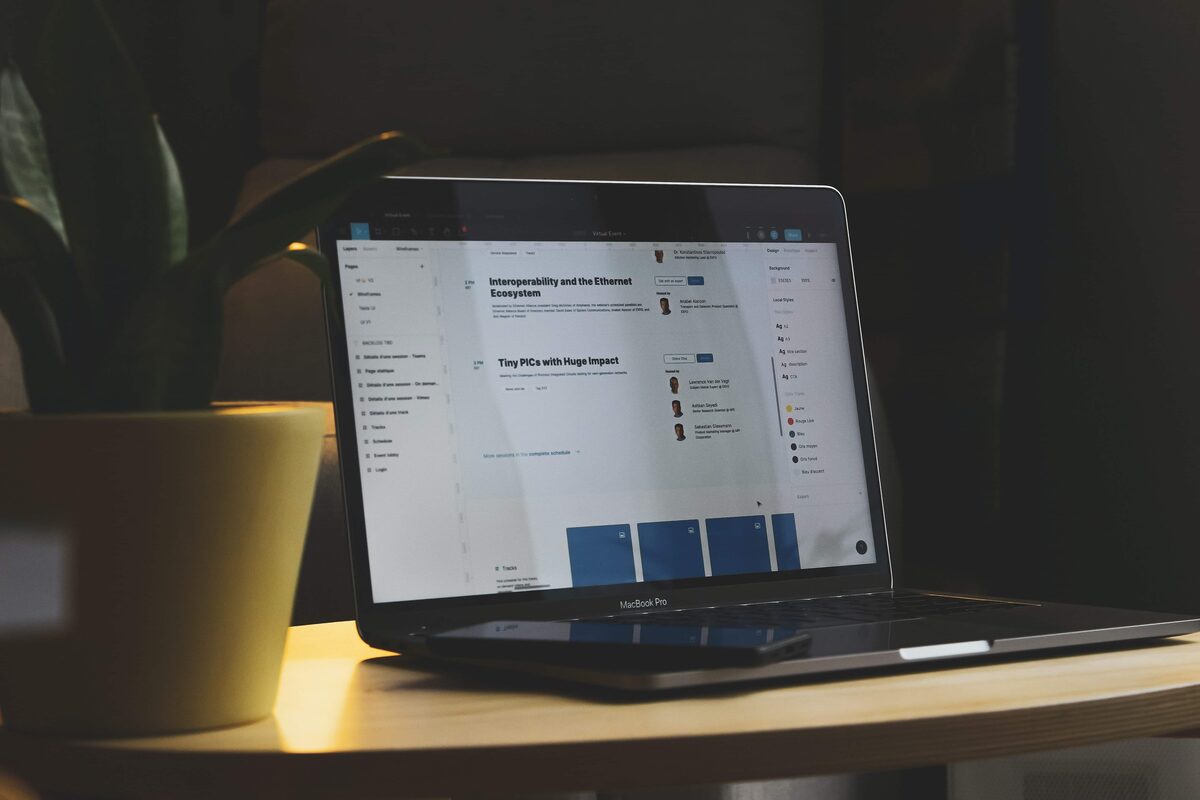
Seeing Your Website Before It's Built
How a clickable design mockup catches problems before any code is written, and why that saves you money.
Why the Tools Your Web Designer Uses Matter
The tools behind your website decide how fast you get changes and how easily someone else could take over the work.
From the blog
Small business websites, explained.
No jargon, no upselling.
Every article here comes from questions Tasmanian business owners ask me. What does SEO actually mean? Why is my site slow? Do I really need a mobile-friendly website? The answers are based on what works for small businesses.
Got a question that isn't covered here? Get in touch. I'm happy to help, even if you're not ready to start a project.
Get in touch
Ready to get started?
Fill out the form and I'll get back to you within 24 hours — usually much sooner.
Let's talk about your project.
Ready to get started? I'd love to hear about your business and what you're looking to achieve online.